
Alpha-Lipoic Acid (ALA): Cellular Energy, Antioxidant and Blood Sugar Research, and Safety
Quick answer: Alpha-lipoic acid (ALA, also called thioctic acid) is made by plants, animals and your own body, where it helps mitochondrial enzymes turn food into energy. It is not to be confused with the omega-3 fat also abbreviated ALA. In the lab it can neutralize free radicals and help recycle vitamin C, glutathione and CoQ10, though how much this happens in the body is unclear. A 2018 meta-analysis of 20 trials found lower fasting glucose, insulin and HbA1c in people with metabolic disorders, but a later 16-week trial found no effect. ALA can lower blood sugar, so people on diabetes medication should monitor closely. Zenmen Resvera Plus contains 100 mg of alpha-lipoic acid per serving.*
Key takeaways
- Only the R form is made in the body, where it is a cofactor for mitochondrial energy enzymes. [1]
- A 2018 meta-analysis of 20 trials (1,245 people with metabolic disorders) found lower fasting glucose, insulin, insulin resistance and HbA1c. [1]
- A more recent 16-week trial of 600 mg a day found no effect on these markers. [1]
- Taking it with food lowers absorption; about 30 minutes before a meal is suggested. [1]
- It may increase the risk of low blood sugar with insulin or diabetes pills. [1]
What Is Alpha-Lipoic Acid?
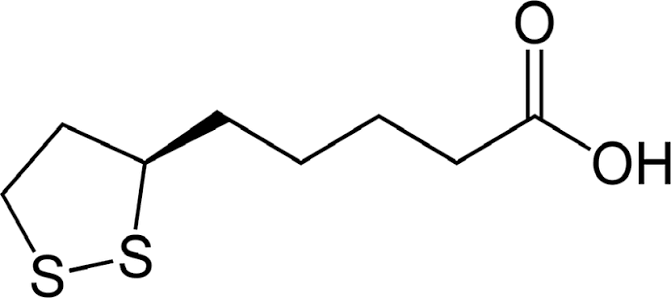
Lipoic acid is made by plants, animals and humans. Only the R form is made in the body, where it is bound to proteins and serves as a cofactor for mitochondrial enzyme complexes involved in energy production and the breakdown of amino acids. Supplements contain either R-lipoic acid alone or a 50/50 R,S mixture; the human studies cited by the Linus Pauling Institute used the mixture, and the two forms have not been directly compared. [1]
Organ meats such as kidney, heart and liver, and vegetables such as spinach and broccoli, contain small amounts, but eating these foods has not been found to raise free lipoic acid in the blood. [1] Supplements are the only way to reach the amounts used in studies.
What the Research Shows
Antioxidant role
In test-tube studies, lipoic acid neutralizes free radicals and helps regenerate vitamin C, glutathione and CoQ10. Whether this happens in the body, and for how long, is unclear, because supplemental lipoic acid is cleared from the blood within hours. [1]
Blood sugar markers
A 2018 meta-analysis of 20 randomized trials with 1,245 people with metabolic disorders found lipoic acid lowered fasting glucose, insulin, insulin resistance and HbA1c. A more recent 16-week trial of 600 mg a day found no effect on these markers, so results are mixed. [1] Modest weight reductions have also been reported in people with a high BMI. [1]
Most of these studies used 300 to 1,800 mg a day, considerably more than the 100 mg in Resvera Plus, where ALA plays a supporting antioxidant role. [1]
How Alpha-Lipoic Acid May Support the Body*
- Supports mitochondrial energy production.*
- Provides antioxidant support and helps recycle other antioxidants.*
- Supports healthy glucose metabolism already within the normal range.*
- Supports healthy aging at the cellular level.*
Alpha-Lipoic Acid in Zenmen Resvera Plus
| Product | Ingredient | Amount per serving |
|---|---|---|
| Resvera Plus | Alpha-lipoic acid | 100 mg |
Supplements typically contain 50 to 600 mg. [1] In Resvera Plus, ALA works alongside 250 mg of trans-resveratrol, pterostilbene, grape seed extract, quercetin and black pepper extract.
How to Take It
- Take Resvera Plus as directed on the label.
- Food lowers lipoic acid absorption by about 20–30%, and taking it about 30 minutes before a meal is suggested; resveratrol, on the other hand, is commonly taken with food, so follow the label. [1]
Safety
- Side effects: the most commonly reported are skin reactions (rash, hives, itching), stomach pain, nausea, vomiting, diarrhea and vertigo, mostly at higher doses. [1]
- Diabetes medication: lipoic acid may increase the risk of low blood sugar with insulin or oral diabetes drugs, so monitor your glucose closely and talk with your doctor. [1]
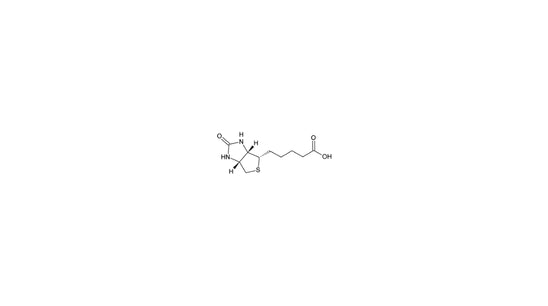
- Biotin: lipoic acid and biotin are similar in structure and may compete for transport; whether this matters in humans is unknown. If you also take Hair Growth & Root Defense, which is rich in biotin, this is unlikely to be a concern at these amounts. [1]
- Keep away from children: serious poisonings have occurred in children who swallowed adult tablets. [1]
- Pregnancy and breastfeeding: use only under medical supervision in pregnancy, and avoid while breastfeeding. [1]
FAQ
What does alpha-lipoic acid do?
It is a cofactor that helps mitochondria produce energy, and it acts as an antioxidant in lab studies. [1]
Is alpha-lipoic acid the same as ALA omega-3?
No. Alpha-lipoic acid is a sulfur-containing antioxidant; alpha-linolenic acid is a plant omega-3 fat. Both are sometimes shortened to ALA.
Should I take alpha-lipoic acid with food?
Food lowers absorption, so it is often taken about 30 minutes before a meal. [1] For combination products, follow the label.
Conclusion
Alpha-lipoic acid is a natural mitochondrial cofactor with antioxidant activity and mixed human research on blood sugar markers. Zenmen Resvera Plus includes 100 mg as a supporting antioxidant alongside trans-resveratrol.* If you take diabetes medication, talk with your doctor and monitor your blood sugar.
References
- Linus Pauling Institute, Oregon State University. Lipoic Acid. Micronutrient Information Center. https://lpi.oregonstate.edu/mic/dietary-factors/lipoic-acid
*These statements have not been evaluated by the Food and Drug Administration. This product is not intended to diagnose, treat, cure or prevent any disease. Consult your healthcare provider before use, especially if you are pregnant, nursing, taking medication or have a medical condition.