

Cistus Incanus (Rock Rose): Benefits, Research and Safety
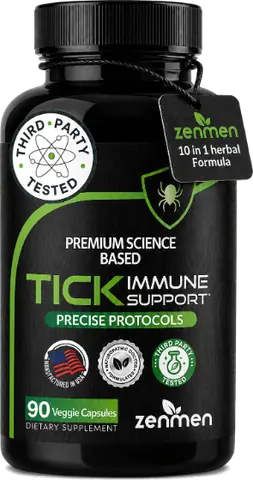
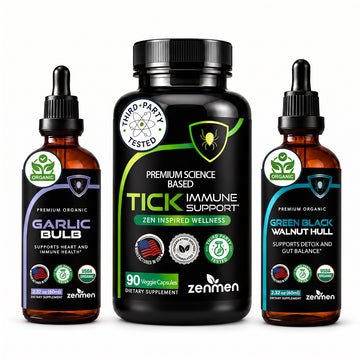
Quick answer: Cistus incanus, the pink or hoary rock rose, is an evergreen Mediterranean shrub whose leaves are traditionally brewed as a tea in Greece and Turkey. It is prized for an unusually high polyphenol content, mainly flavonoids such as myricetin, quercetin and kaempferol glycosides, plus flavan-3-ols and tannins. Reviews describe it as a promising source of antioxidants for health maintenance, based mostly on laboratory and animal studies. Today it is widely sold as an herbal infusion and dietary supplement. Zenmen Tick Immune Support contains 200 mg of a 10:1 Cistus incanus leaf extract per 3-capsule serving.*
Key takeaways
- Cistus incanus is a natural hybrid of C. albidus and C. crispus, commonly used as an infusion and dietary supplement. [1]
- Its main active ingredients are flavonoids, including the flavonol glycosides myricetin, quercetin and kaempferol, and flavan-3-ols. [2]
- A 2025 review highlights Cistus extracts' antioxidant properties and potential for health maintenance. [1]
- Each 3-capsule serving of Tick Immune Support provides 200 mg of a 10:1 leaf extract.
- Cistus is generally well tolerated; its tannins may reduce iron absorption when taken with meals.
What Is Cistus Incanus?
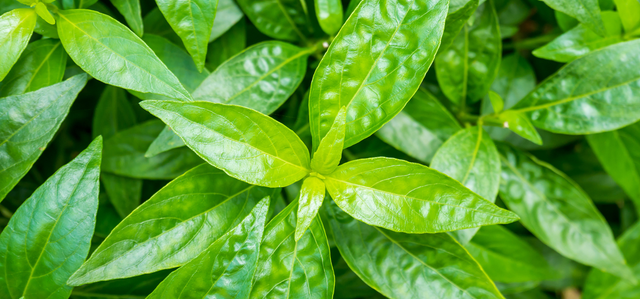
Cistus incanus belongs to the rock rose family (Cistaceae). It is a compact, aromatic shrub that grows wild on sunny, rocky hillsides around the Mediterranean and produces papery pink flowers in late spring. The species name incanus means "grey" or "hoary", describing the fine grey hairs on its leaves. Botanists consider it a natural hybrid of two other rock roses, C. albidus and C. crispus. [1]
In Greece, Crete and Turkey, the dried leaves and flowering tops have long been brewed as a mildly astringent tea. In recent decades Cistus has also become popular in Central Europe, where food makers offer the leaves for infusions and as ready-to-use dietary supplements. [2]
Key Compounds
A 2021 review in Farmacja Polska identifies flavonoids as the main active ingredients of Cistus incanus, including flavonol glycosides of myricetin, quercetin and kaempferol, and flavan-3-ols. [2] The leaves also contain tannins, which give the tea its astringent taste, and phenolic acids. Zenmen uses a 10:1 leaf extract, made from roughly 10 parts of dried leaf for each part of finished extract, to concentrate these compounds.
What the Research Shows
A 2025 review in the International Journal of Molecular Sciences gathered in vitro and in vivo research on Cistus species, with particular emphasis on their antioxidant and bioactive properties, and concluded that Cistus is a promising candidate for health maintenance and disease prevention strategies. [1] Most of that work was done in the lab and in animals. Controlled human trials of Cistus supplements are limited, so its role in the formula is best described as antioxidant support.*
How Cistus Incanus May Support the Body*
- Provides polyphenols that help protect cells against everyday oxidative stress.*
- Supports healthy immune function and physical resilience.*
- Supports the body's natural cellular defense and repair pathways.*
Cistus Incanus in Zenmen Tick Immune Support
Zenmen Tick Immune Support combines Cistus with nine other ingredients. Each 3-capsule serving contains:
- Cistus incanus leaf extract 10:1, 200 mg
- Japanese knotweed extract (20% resveratrol), 800 mg; cat's claw extract (4% oxindole alkaloids), 250 mg
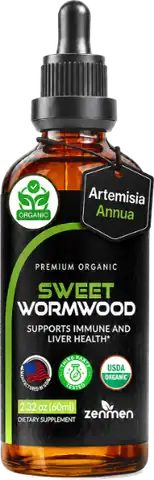
- Cryptolepis sanguinolenta 20:1, sweet wormwood and Chinese skullcap (50% baicalin), 200 mg each
- Alchornea cordifolia 20:1, 100 mg; sarsaparilla 4:1, 60 mg; serrapeptase, 55 mg (110,000 SPU); black pepper extract (95% piperine), 5 mg
The capsules are vegan, non-GMO and gluten-free, made in a GMP-certified US facility and third-party tested.
How to Take It
Take 3 capsules of Tick Immune Support daily, with or without food, consistently for about three months. Many people begin with 2 capsules and increase gradually. Because Cistus tannins can bind iron, people with low iron stores may prefer to take the capsules a couple of hours away from iron-rich meals or iron supplements.
Safety
- Cistus incanus has a long history as a tea in the Mediterranean and is generally well tolerated.
- Digestive discomfort: a dry, astringent feeling or mild stomach upset, mainly at higher amounts.
- Iron absorption: tannins may reduce iron absorption, relevant for people with iron deficiency or anemia.
- Medications: tannin-rich herbs can bind some medicines in the gut; separate them from prescription drugs by two hours unless your pharmacist advises otherwise.
- Pregnancy and breastfeeding: there is not enough safety data, so avoid unless your clinician approves. Not intended for children under 18 without supervision.
If you have been bitten by a tick or develop a spreading rash, fever, chills or joint pain, see a healthcare professional promptly.
FAQ
What is Cistus incanus good for?
It is a polyphenol-rich Mediterranean herb used to support antioxidant defenses and immune resilience.*
Is Cistus the same as rock rose?
Yes. Cistus is the botanical genus of the rock roses, and Cistus incanus is the pink or hoary rock rose. It is unrelated to the Bach flower remedy called Rock Rose, which is made from Helianthemum.
What are the main compounds in Cistus?
Flavonoids, including myricetin, quercetin and kaempferol glycosides and flavan-3-ols, plus tannins. [2]
Conclusion
Cistus incanus brings centuries of Mediterranean tea tradition and a dense polyphenol profile to a seasonal wellness formula. In Zenmen Tick Immune Support, a concentrated 10:1 extract contributes antioxidant support alongside nine complementary ingredients.* Check with your healthcare provider before use, particularly if you are pregnant, take medication or have low iron.
References
- Biology, Antioxidant Activity, and Therapeutic Potential of Cistus sp.—A Comprehensive Review. (2025). International Journal of Molecular Sciences, 26(13), 6400. https://doi.org/10.3390/ijms26136400
- Starzec, A. J., Włodarczyk, M., Urbanowicz, I., & Fecka, I. (2021). Characteristics, therapeutic and health-promoting potential of Cistus × incanus L. Farmacja Polska. https://doi.org/10.32383/farmpol/132057
*These statements have not been evaluated by the Food and Drug Administration. This product is not intended to diagnose, treat, cure or prevent any disease. Consult your healthcare provider before use, especially if you are pregnant, nursing, taking medication or have a medical condition.