Pygeum (Prunus africana) Bark Extract: Prostate and Urinary Research, Dosage and Safety
Quick answer: Pygeum is an extract of the bark of the African cherry tree (Prunus africana, formerly Pygeum africanum), an evergreen of African mountain forests. It has been used in Europe since the 1960s for men's urinary comfort as the prostate enlarges with age. A Cochrane review of 18 short trials with 1,562 men found that men taking pygeum were more than twice as likely to report improved overall symptoms than with placebo, with side effects comparable to placebo. The trials were small and short, and the reviewers called for larger studies. Zenmen 10-in-1 Prostate Support contains 100 mg of pygeum bark extract per 2-capsule serving, the once-daily amount used in clinical research.*
Key takeaways
- In a Cochrane review of 18 trials (1,562 men), pygeum users were 2.1 times as likely to report improved overall symptoms as with placebo. [1]
- Night-time urination fell by 19% and peak urine flow rose by 23% compared with placebo. [1]
- Trials lasted an average of only 64 days, and the reviewers called for larger, longer studies. [1]
- 100 mg once a day worked as well as 50 mg twice a day over 2 months. [2]
- Side effects were mild and comparable to placebo. [1]
What Is Pygeum?
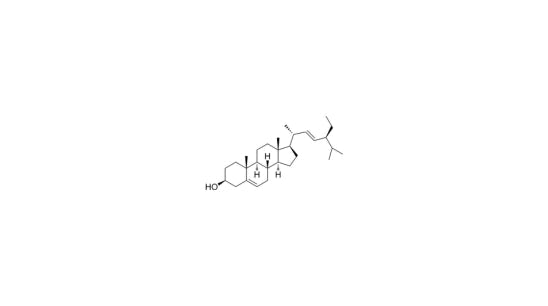
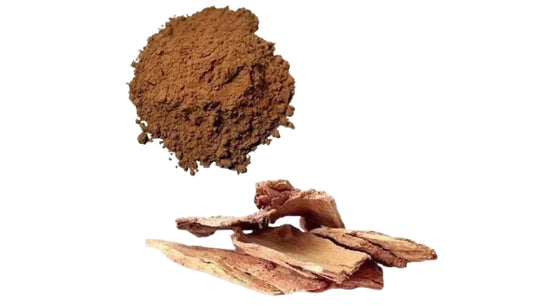
The African cherry is a tall evergreen tree that grows in the mountain forests of Central and Southern Africa and Madagascar. Its bark has a long history in traditional African medicine, and European researchers developed standardized lipid extracts of it in the 1960s. Today it is one of the most widely used herbal ingredients for men's urinary comfort in Europe. The bark contains phytosterols such as beta-sitosterol, pentacyclic triterpenes such as ursolic and oleanolic acids, and ferulic acid esters, which are thought to work together on inflammation and prostate tissue.
Because demand for the bark led to over-harvesting, Prunus africana has been listed under CITES Appendix II since 1995, which means international trade is regulated. Responsible suppliers use sustainably and legally sourced bark.
What the Research Shows
The Cochrane review
A Cochrane systematic review pooled 18 randomized trials with 1,562 men with prostate-related urinary symptoms. The studies lasted 30 to 122 days, 64 on average. Compared with placebo, men taking pygeum were more than twice as likely to report improvement in their overall symptoms, night-time urination fell by 19%, the urine left in the bladder fell by 24%, and peak urine flow rose by 23%. Side effects were mild and comparable to placebo, and dropout rates were similar. [1] The reviewers concluded that pygeum may be a useful option for men with lower urinary symptoms, but noted that the studies were small, short and used varying doses, so more and larger placebo-controlled trials are needed. [1]
Once a day
In a double-blind trial in Europe, men took pygeum extract either as 50 mg twice a day or 100 mg once a day for 2 months. Symptom scores improved by 38% and 35% respectively, quality of life by 28% in both groups, and the two regimens proved equally effective and safe. In a 10-month open extension on 100 mg once a day, the average symptom score fell from 16 to 9. [2] The study had no placebo group, so part of the improvement may be due to placebo effect.
How Pygeum May Support the Body*
- Supports healthy prostate function.*
- Supports normal urinary flow and complete bladder emptying.*
- Supports restful nights with fewer trips to the bathroom.*
- Helps maintain a healthy inflammatory response in the prostate.*
Pygeum in Zenmen 10-in-1 Prostate Support
| Product | Form | Amount per serving |
|---|---|---|
| 10-in-1 Prostate Support | Pygeum africanum bark extract | 100 mg per 2 capsules |
The 100 mg serving matches the once-daily amount used in the dosing trial above. In 10-in-1 Prostate Support, pygeum works alongside 320 mg of saw palmetto, 200 mg of beta-sitosterol, pumpkin seed extract, stinging nettle root, lycopene, quercetin, zinc, selenium and black pepper extract.
How to Take It
- Take 2 capsules of 10-in-1 Prostate Support daily with water, ideally with a meal.
- Give it at least 2 to 3 months of consistent use; the open-label study followed men for a year.
Safety
- Well tolerated: side effects in trials were mild and comparable to placebo, most often mild digestive upset. [1]
- Long-term data: most trials lasted only a few months, so long-term safety is less well studied.
- See a doctor first: new or worsening urinary symptoms, blood in the urine or difficulty urinating need a medical check, as they can have several causes.
- Medications: ask your pharmacist if you take prescription prostate or hormone medicines.
- Designed for adult men; not for women who are pregnant or breastfeeding, or for children.
FAQ
What is pygeum used for?
It is used to support prostate health and comfortable urination in men.* A Cochrane review of 18 trials found improved symptoms and urine flow versus placebo. [1]
How much pygeum should I take?
Studies have used 100 mg once a day or 50 mg twice a day, which worked equally well. [2] Zenmen 10-in-1 Prostate Support provides 100 mg per serving.
Is pygeum the same as Prunus africana?
Yes. Pygeum africanum is the older botanical name for the African cherry tree, now classified as Prunus africana.
Conclusion
Pygeum is a long-used African bark extract with a moderate body of short-term clinical research for men's urinary comfort and a good tolerability record. Zenmen 10-in-1 Prostate Support includes 100 mg per serving alongside saw palmetto and beta-sitosterol.* See your doctor about any new urinary symptoms.
References
- Wilt, T., Ishani, A., MacDonald, R., Rutks, I., & Stark, G. (2002). Pygeum africanum for benign prostatic hyperplasia. Cochrane Database of Systematic Reviews, CD001044. https://doi.org/10.1002/14651858.CD001044
- Chatelain, C., Autet, W., & Brackman, F. (1999). Comparison of once and twice daily dosage forms of Pygeum africanum extract in patients with benign prostatic hyperplasia: a randomized, double-blind study, with long-term open label extension. Urology, 54(3), 473–478. https://doi.org/10.1016/s0090-4295(99)00147-8
*These statements have not been evaluated by the Food and Drug Administration. This product is not intended to diagnose, treat, cure or prevent any disease. Consult your healthcare provider before use, especially if you are taking medication or have a medical condition.