








Caprylic Acid (Magnesium Caprylate) for Gut Balance: Research and Safety
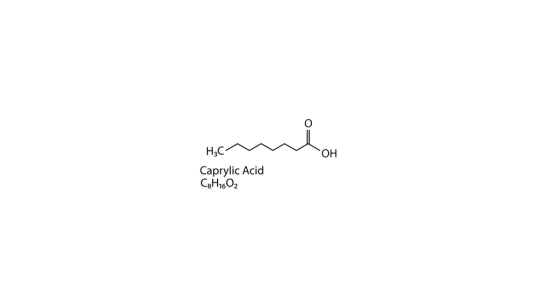
Quick answer: Caprylic acid (octanoic acid) is an eight-carbon medium-chain fatty acid found naturally in coconut oil, palm kernel oil and milk. Medium-chain fatty acids are absorbed and used for energy differently from the longer fats that make up most of the diet: they enter cells and their energy-producing mitochondria without needing the carrier molecule carnitine. Caprylic acid has a long history of use in supplements for digestive balance, but controlled human trials on its gut effects are lacking. Zenmen Gut Sweep contains 250 mg of caprylic acid (as magnesium caprylate) per serving to support a balanced intestinal environment.*
Key takeaways
- Caprylic acid is a medium-chain fatty acid found in coconut oil, palm kernel oil and dairy.
- Medium-chain fatty acids come mostly from dietary fats, including milk and dairy products. [1]
- They enter cells without carnitine and are processed inside the mitochondria. [1]
- The magnesium salt form (magnesium caprylate) is stable and gentle on the stomach.
- Mild digestive upset is the most common side effect.
What Is Caprylic Acid?
Caprylic acid gets its name from the Latin capra, goat, because it was first identified in goat's milk. It is one of the medium-chain fatty acids (MCFAs), along with capric and lauric acids, that make up much of coconut oil. In supplements, caprylic acid is usually provided as a salt, such as magnesium or calcium caprylate, which is easier to put in a capsule and releases the fatty acid gradually in the gut.
How the Body Uses Medium-Chain Fatty Acids
A 2016 review in the Journal of Lipid Research explains that medium-chain fatty acids come mostly from dietary fats, including milk and dairy products. Unlike long-chain fats, they enter cells and mitochondria without carnitine, rely less on fatty acid-binding proteins, and are processed directly inside the mitochondria. [1] This is why MCFAs are often described as a quickly used energy source. The review also notes that, unlike some other fatty acids, MCFAs do not significantly impair the cell's energy-producing respiratory chain. [1]
Caprylic acid has traditionally been included in digestive and "gut balance" formulas. Its effects on the human gut have not been tested in controlled clinical trials, so its role in Gut Sweep is as a supporting ingredient alongside the formula's botanicals.*
How Caprylic Acid May Support the Body*
- Medium-chain fatty acid that supports a balanced intestinal environment.*
- Supports normal digestive function.*
- Complements the botanical blend for everyday gut support.*
In Zenmen Gut Sweep
Zenmen Gut Sweep Daily Gut Cleanse Supplement provides 250 mg of caprylic acid (as magnesium caprylate) per 3-capsule serving, together with oregano leaf extract 400 mg, garlic 300 mg, monolaurin 300 mg, berberine HCl 250 mg, Ceylon clove 200 mg, pomegranate peel 150 mg, an enzyme blend 100 mg, sweet wormwood 50 mg and black pepper extract 5 mg. The formula is vegan, gluten-free, non-GMO and GMP-made in the USA.
How to Take It
Take 3 capsules daily with a meal. Taking caprylic acid with food reduces the chance of digestive upset.
Safety
- Caprylic acid is a normal part of the diet and is generally well tolerated.
- Possible side effects: nausea, stomach upset, bloating or loose stools, especially at first.
- Kidney disease: check with your doctor before taking magnesium-containing supplements.
- Pregnancy and breastfeeding: supplement-level safety has not been established.
FAQ
Where does caprylic acid come from?
It occurs naturally in coconut oil, palm kernel oil and milk.
What is a medium-chain fatty acid?
A fat with 6 to 12 carbon atoms. The body absorbs and uses these fats more directly than the longer fats in most foods. [1]
What is magnesium caprylate?
It is the magnesium salt of caprylic acid, a stable form used in capsules.
Conclusion
Caprylic acid is a familiar dietary fatty acid that the body uses quickly for energy. In Zenmen Gut Sweep, 250 mg of caprylic acid works alongside oregano, monolaurin and berberine for everyday gut balance.*
References
- Schönfeld, P., & Wojtczak, L. (2016). Short- and medium-chain fatty acids in energy metabolism: the cellular perspective. Journal of Lipid Research, 57(6), 943–954. https://pubmed.ncbi.nlm.nih.gov/27080715/
*These statements have not been evaluated by the Food and Drug Administration. This product is not intended to diagnose, treat, cure or prevent any disease. Consult your healthcare provider before use, especially if you are pregnant, nursing, taking medication or have a medical condition.


