Fo-Ti (He Shou Wu, Polygonum multiflorum): Hair Research and Liver Safety
Quick answer: Fo-Ti (Polygonum multiflorum, also called Reynoutria multiflora), known in China as He Shou Wu, is a climbing plant whose root has been used in traditional Chinese medicine for more than a thousand years to "blacken hair and nourish essence." Modern lab and animal studies support its traditional reputation: extracts pushed resting hair follicles into the growth phase in mice and kept human hair follicles growing longer in the lab. However, no high-quality human trials have confirmed these effects, and the NIH's LiverTox database reports that Fo-Ti has been implicated in numerous cases of acute liver injury, which can be severe and even fatal. Talk with your doctor before using any product that contains it. Zenmen Hair Growth & Root Defense contains 300 mg of Fo-Ti root extract per serving.*
Important liver safety information
- Polygonum multiflorum has been implicated in numerous reports of acute liver injury, which can be severe and even fatal. [1]
- The injury is usually self-limited but can be prolonged and is occasionally fatal; it commonly recurs if the herb is restarted. [1]
- Liver injury has been linked to many forms, including steamed root, powders, capsules and teas. [2]
- Stop taking it and see a doctor right away if you notice yellow skin or eyes, dark urine, pale stools, unusual tiredness, nausea or loss of appetite.
- Do not take it if you have liver disease, drink alcohol heavily, take other medicines that can affect the liver, or are pregnant or breastfeeding.
What Is Fo-Ti?
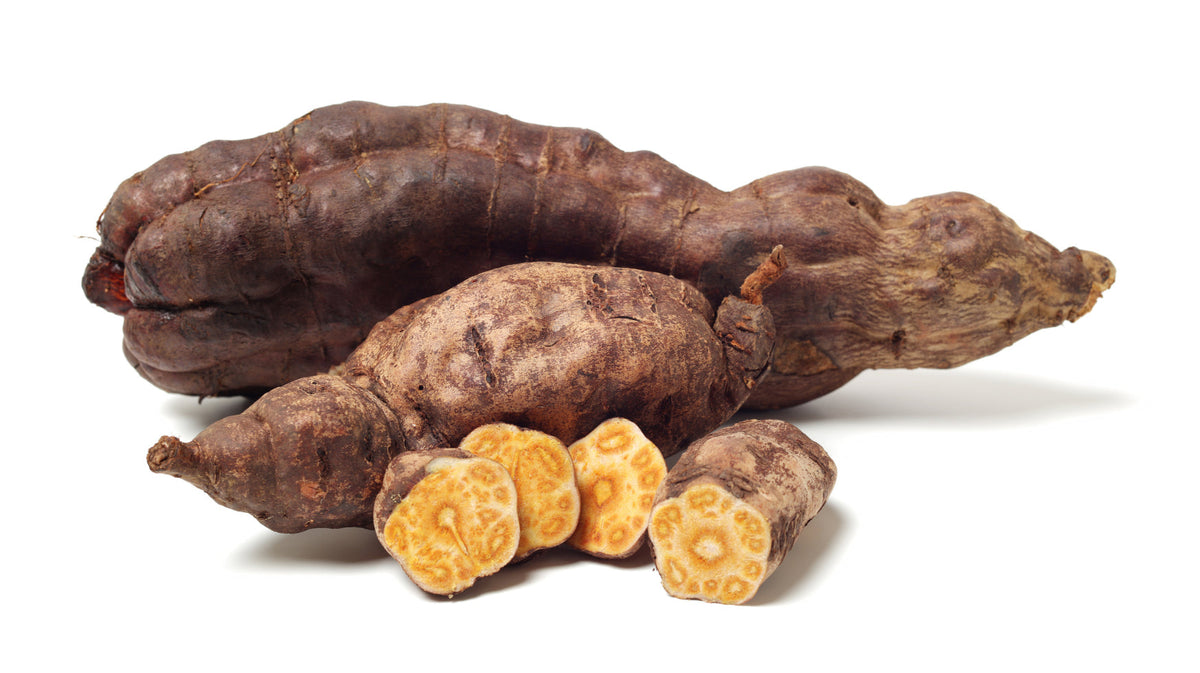
Fo-Ti is the Western trade name for He Shou Wu, the root of a vine in the buckwheat family native to China. Other names include Chinese climbing knotweed, fleece-flower root, Ho Shou Wu and Shou Wu Pian. [1] It is one of the most commonly used tonics in Chinese medicine, traditionally valued for anti-aging, liver- and kidney-tonifying and hair-blackening effects. [2] In East Asia it has traditionally been used for baldness and hair loss. [3] Its main compounds include a stilbene glucoside (TSG, a relative of resveratrol), anthraquinones such as emodin, and other polyphenols.
What the Research Shows for Hair
In mice
In a study in Korea, a Fo-Ti extract applied to the shaved skin of mice promoted hair growth by moving resting (telogen) hair follicles into the growing (anagen) phase. The extract increased signals linked to follicle growth, Sonic hedgehog and beta-catenin. [3]
In human hair cells and follicles in the lab
A 2020 study tested Fo-Ti extract on human dermal papilla cells, the cells at the base of the follicle that control the hair cycle. The extract increased their viability and energy activity in a dose-dependent way, raised growth factors such as VEGF, lowered a protein (Dkk-1) that pushes hair into its resting phase, and reduced the effects of the hair-loss hormone DHT. In isolated human hair follicles, it prolonged the growing phase. [4] The authors noted that two Fo-Ti compounds, TSG and emodin, have been reported to have hair-growth properties. [4]
A 2026 review
A 2026 review brought together lab studies, clinical reports and historical records, and proposed that Fo-Ti may act on several hair-loss pathways at once, including hormone effects, follicle protection and scalp circulation. The authors also stressed that high-quality clinical trials are still needed. [5]
What is still missing
There are no large, placebo-controlled human trials showing that taking Fo-Ti by mouth improves hair growth or slows greying. The evidence so far comes from cells, isolated follicles, mice and traditional use. The same compound family linked to hair effects, the anthraquinones such as emodin, is also the usual suspect for Fo-Ti's liver injury. [1]
How Fo-Ti May Support the Body*
- Traditionally used to support healthy, naturally dark hair.*
- Supports a healthy hair growth cycle, based on laboratory research.*
- Provides stilbene and polyphenol antioxidants.*
Fo-Ti in Zenmen Hair Growth & Root Defense
| Product | Form | Amount per serving |
|---|---|---|
| Hair Growth & Root Defense | Fo-Ti (Polygonum multiflorum) root extract | 300 mg |
In Hair Growth & Root Defense, Fo-Ti works alongside biotin, saw palmetto, zinc, copper, stinging nettle root, pumpkin seed and other nutrients. Talk with your doctor before use, and ask about liver tests if you plan to take it for more than a few weeks.
Who Should Not Take Fo-Ti
- Anyone with liver disease or a history of liver injury, including from medicines or herbs.
- People who drink alcohol heavily or take medicines that can affect the liver, such as high-dose acetaminophen.
- People who have reacted to Fo-Ti before; restarting it should be avoided. [1]
- Women who are pregnant or breastfeeding, and children.
FAQ
Does Fo-Ti help hair grow?
Lab and mouse studies show it can keep hair follicles in their growing phase, but no high-quality human trials have confirmed this yet. [4]
Is Fo-Ti safe?
It has been implicated in numerous cases of acute liver injury, which can be severe and even fatal. [1] Talk with your doctor before use and stop immediately if you notice signs of liver problems.
Is Fo-Ti the same as Japanese knotweed?
No. Both are in the knotweed family, but Fo-Ti is Polygonum multiflorum, while Japanese knotweed is Polygonum cuspidatum, the usual source of resveratrol.
Conclusion
Fo-Ti is a historic Chinese hair tonic with encouraging lab and animal research on hair follicles, but no confirmed human benefit yet and a well-documented risk of liver injury. Zenmen Hair Growth & Root Defense includes 300 mg.* Talk with your doctor first, and know the warning signs of liver problems.
References
- LiverTox: Clinical and Research Information on Drug-Induced Liver Injury. Polygonum Multiflorum. National Institute of Diabetes and Digestive and Kidney Diseases; last updated August 18, 2020. https://www.ncbi.nlm.nih.gov/books/NBK548795/
- Yu, H.-S., Wang, L.-L., He, Y., et al. (2020). Advances in the Study of the Potential Hepatotoxic Components and Mechanism of Polygonum multiflorum. Evidence-Based Complementary and Alternative Medicine, 2020, 6489648. https://doi.org/10.1155/2020/6489648
- Park, H. J., et al. (2011). Topical application of Polygonum multiflorum extract induces hair growth of resting hair follicles through upregulating Shh and β-catenin expression in C57BL/6 mice. Journal of Ethnopharmacology, 135(2), 369–375. https://pubmed.ncbi.nlm.nih.gov/21419834/
- Shin, J. Y., et al. (2020). Polygonum multiflorum extract support hair growth by elongating anagen phase and abrogating the effect of androgen in cultured human dermal papilla cells. BMC Complementary Medicine and Therapies, 20(1), 144. https://doi.org/10.1186/s12906-020-02940-5
- Han, B., Xiao, M., Xin, T., et al. (2026). Research progress on the application of Polygonum multiflorum in androgenetic alopecia. Journal of Holistic Integrative Pharmacy. Summary: https://www.keaipublishing.com/en/news/polygonum-multiflorum-a-traditional-herb-for-androgenetic-alopecia/
*These statements have not been evaluated by the Food and Drug Administration. This product is not intended to diagnose, treat, cure or prevent any disease. Consult your healthcare provider before use, especially if you are pregnant, nursing, taking medication or have a medical condition.