

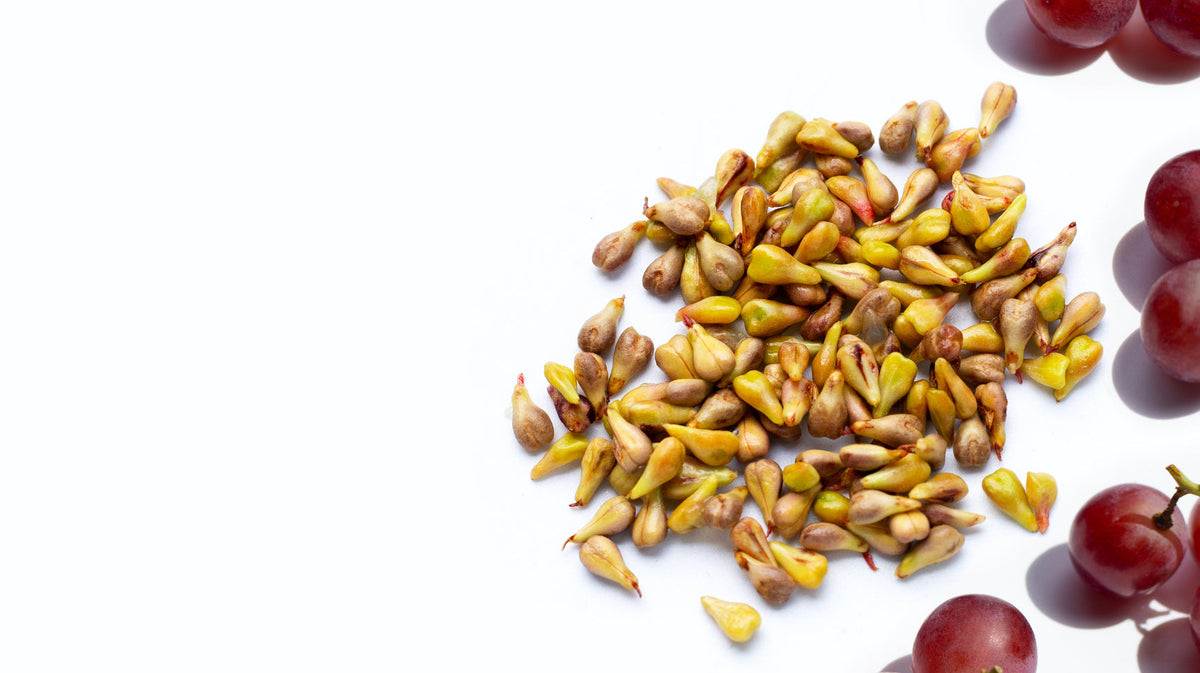
Grape Seed Extract (Vitis vinifera): OPCs, Blood Pressure Research and Safety
Quick answer: Grape seed extract (GSE) is made from the seeds of wine grapes (Vitis vinifera), usually a by-product of winemaking. It is one of the richest sources of oligomeric proanthocyanidins (OPCs), antioxidant polyphenols related to those in tea, cocoa and apples. A 2016 meta-analysis of 16 trials with 810 people found it lowered systolic blood pressure by about 6 mmHg and diastolic by about 3 mmHg, with larger effects in younger and overweight people and those with metabolic syndrome. A 2022 meta-analysis of 19 trials confirmed small reductions in diastolic pressure and heart rate. Zenmen Resvera Plus contains 100 mg of grape seed extract per serving.*
Key takeaways
- Across 16 trials (810 people), GSE lowered systolic blood pressure by 6.1 mmHg and diastolic by 2.8 mmHg. [1]
- The effect was stronger in younger and overweight people and those with metabolic syndrome. [1]
- A 2022 meta-analysis of 19 trials found lower diastolic pressure (2.2 mmHg) and heart rate (1.25 bpm), but no significant change in systolic pressure or blood vessel dilation. [2]
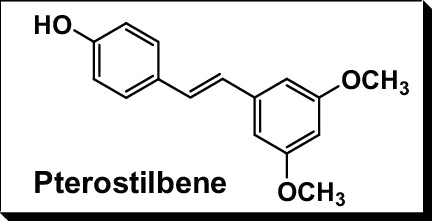
- In a pterostilbene trial, adding 100 mg of grape extract prevented the LDL rise seen with pterostilbene alone. [3]
- Results varied a lot between studies, and larger, longer trials are needed. [1]
What Is Grape Seed Extract?
Grape seeds are packed with polyphenols, especially proanthocyanidins: chains of catechin and epicatechin units. The short chains, called oligomeric proanthocyanidins or OPCs, are the most studied. Extracts are usually standardized to a high percentage of polyphenols or proanthocyanidins. Grape seed extract is different from the resveratrol found in grape skins; the two work as complementary grape polyphenols, which is why they are often combined.
What the Research Shows
Blood pressure
A 2016 meta-analysis in Medicine pooled 16 randomized controlled trials with 810 participants. Grape seed extract lowered systolic blood pressure by an average of 6.1 mmHg and diastolic by 2.8 mmHg. The effect was larger in people under 50, people with a BMI of 25 or more, and people with metabolic syndrome (systolic down 8.5 mmHg). The authors called for larger, longer, multi-dose trials. [1]
A 2022 meta-analysis of 19 controlled trials found that GSE lowered diastolic blood pressure by 2.2 mmHg and heart rate by 1.25 beats per minute. Systolic pressure and flow-mediated dilation, a measure of blood vessel function, did not change significantly, and results varied widely between studies. [2]
Paired with pterostilbene
In an 80-person trial, pterostilbene alone raised LDL cholesterol, but this was not seen when 50 mg of pterostilbene was taken with 100 mg of grape extract. [3] Resvera Plus uses a similar pairing.
How Grape Seed Extract May Support the Body*
- Supports healthy blood pressure already within the normal range.*
- Supports healthy circulation and cardiovascular function.*
- Provides antioxidant OPCs that help protect cells.*
Grape Seed Extract in Zenmen Resvera Plus
| Product | Ingredient | Amount per serving |
|---|---|---|
| Resvera Plus | Grape seed extract (Vitis vinifera) | 100 mg |
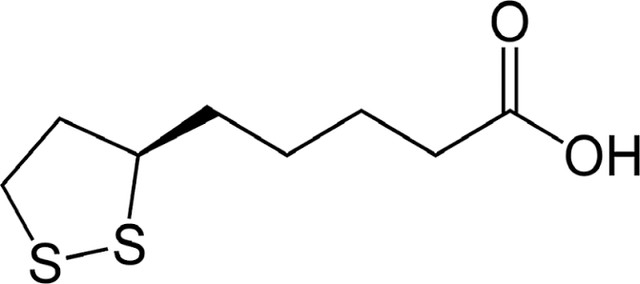
In Resvera Plus, grape seed extract works alongside 250 mg of trans-resveratrol, 50 mg of pterostilbene, quercetin, alpha-lipoic acid and black pepper extract. Trials in the meta-analyses mostly used 100 to 800 mg a day.
How to Take It
- Take Resvera Plus as directed on the label, ideally with a meal.
- Give it several weeks of consistent use; most trials lasted 2 to 16 weeks.
Safety
- Generally well tolerated: possible side effects include headache, itchy scalp, dizziness and nausea.
- Blood thinners and surgery: grape seed extract may slow blood clotting; ask your doctor if you take warfarin, aspirin or other blood thinners, and stop two weeks before surgery.
- Blood pressure medication: because it may lower blood pressure, check with your doctor if you take blood pressure medicines. [1]
- Grape allergy: avoid if you are allergic to grapes.
- Pregnancy and breastfeeding: not enough safety data, so avoid.
FAQ
Does grape seed extract lower blood pressure?
Meta-analyses found modest reductions, especially in younger and overweight people and those with metabolic syndrome. [1]
What are OPCs?
Oligomeric proanthocyanidins: short chains of catechin-type polyphenols, the main antioxidants in grape seed extract.
Is grape seed extract the same as resveratrol?
No. Grape seed extract provides OPCs from the seeds, while resveratrol is a different compound found mainly in grape skins and Japanese knotweed.
Conclusion
Grape seed extract is a rich source of OPCs with modest, consistent effects on blood pressure in human trials. Zenmen Resvera Plus includes 100 mg alongside trans-resveratrol and pterostilbene.* Talk with your doctor before use if you take blood thinners or blood pressure medication.
References
- Zhang, H., Liu, S., Li, L., et al. (2016). The impact of grape seed extract treatment on blood pressure changes: A meta-analysis of 16 randomized controlled trials. Medicine, 95(33), e4247. https://doi.org/10.1097/MD.0000000000004247
- Foshati, S., Nouripour, F., Sadeghi, E., & Amani, R. (2022). The effect of grape (Vitis vinifera) seed extract supplementation on flow-mediated dilation, blood pressure, and heart rate: A systematic review and meta-analysis of controlled trials with duration- and dose-response analysis. Pharmacological Research, 175, 105905. https://doi.org/10.1016/j.phrs.2021.105905
- Riche, D. M., Riche, K. D., Blackshear, C. T., et al. (2014). Pterostilbene on metabolic parameters: a randomized, double-blind, and placebo-controlled trial. Evidence-Based Complementary and Alternative Medicine, 2014, 459165. https://doi.org/10.1155/2014/459165
*These statements have not been evaluated by the Food and Drug Administration. This product is not intended to diagnose, treat, cure or prevent any disease. Consult your healthcare provider before use, especially if you are pregnant, nursing, taking medication or have a medical condition.