L-Theanine: Calm, Focus and Sleep Research, Dosage and Safety
Quick answer: L-theanine is an amino acid found almost only in tea leaves, and it is a big part of why a cup of tea feels calming rather than jittery. It is well absorbed and reaches the brain. Small studies show it increases alpha brain waves, linked with relaxed alertness, and trials of 200–400 mg a day suggest it may help people manage stress. A 2025 meta-analysis of 18 trials found modest improvements in subjective sleep quality. Reviewers also caution that many studies are small and the evidence is still developing. Zenmen uses L-theanine in Blue Vervain Complex (200 mg) for daytime calm and Sleep Clean (100 mg) for bedtime.*
Key takeaways
- Even 50 mg of L-theanine increased alpha-wave brain activity compared with placebo in healthy adults. [1]
- A systematic review of 9 trials found 200–400 mg a day may help reduce stress and anxiety in people under stressful conditions. [2]
- A 2025 meta-analysis of 897 participants found improvements in subjective sleep quality, time to fall asleep and daytime functioning. [3]
- A 2025 review concludes that the science does not yet match the hype, but notes a good safety profile. [4]
- L-theanine is non-drowsy, so it suits both daytime and evening formulas.
What Is L-Theanine?
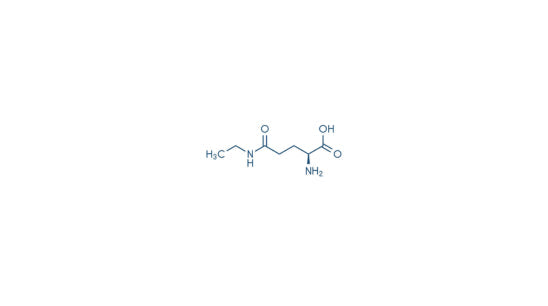
L-theanine is a non-protein amino acid made by the tea plant (Camellia sinensis) and found in green, black, oolong and white teas. It gives tea part of its savory, umami taste. A cup of tea typically provides a few tens of milligrams, while supplements usually provide 100–400 mg. After you swallow it, L-theanine is well absorbed and can cross the blood-brain barrier. [4] It is structurally similar to glutamate, a messenger in the brain, which helps explain its effects on brain activity.
What the Research Shows
Relaxed alertness
In a study by Unilever researchers and the University of Oxford, healthy young adults who took 50 mg of L-theanine showed a greater increase in alpha-band brain activity over the following 45 to 105 minutes than those taking placebo. Alpha waves are associated with a relaxed but alert state. The authors concluded that L-theanine at realistic dietary levels affects mental alertness. [1]
Stress
A 2020 systematic review of 9 randomized trials found that 200–400 mg of L-theanine a day may help reduce stress and anxiety in people exposed to stressful conditions, but said longer, larger studies are needed before it can be considered a clinical treatment. [2] In a 4-week crossover trial in Japan, 30 healthy adults taking 200 mg a day had lower scores for depression, trait anxiety and poor sleep quality, and better verbal fluency and executive function. The study was funded by the company that supplied the L-theanine. [5]
Sleep
A 2025 meta-analysis in Sleep Medicine Reviews included 19 randomized trials with 897 participants. L-theanine was linked to small to moderate improvements in subjective sleep quality, time to fall asleep and daytime dysfunction. The authors noted that few studies tested L-theanine on its own, and that the right dose and duration still need to be worked out. [3]
A balanced view
A 2025 review in Nutrition Research found that effects on alpha waves, stress, anxiety and sleep are often inconsistent across studies and that rigorous human trials are lacking for many health claims. It concluded that the science does not yet match the hype, while noting a good safety profile in toxicology studies. [4]
How L-Theanine May Support the Body*
- Promotes relaxation without drowsiness.*
- Helps maintain healthy stress levels.*
- Supports mental focus and clarity.*
- Supports restful sleep quality.*
L-Theanine in Zenmen Products
| Product | Purpose | Amount per serving |
|---|---|---|
| Blue Vervain Complex | Daytime calm and focus | 200 mg |
| Sleep Clean | Bedtime relaxation | 100 mg per 2 capsules |
Blue Vervain Complex provides 200 mg, the amount used in several stress trials, together with blue vervain, chamomile and magnesium in a non-drowsy formula. Sleep Clean provides 100 mg alongside ashwagandha, lemon balm, passionflower, chamomile, valerian root, 5-HTP and magnesium.
How to Take It
- Blue Vervain Complex: follow the serving on the label, during the day or before stressful periods.
- Sleep Clean: 2 capsules with water 30 to 60 minutes before bedtime.
- L-theanine can be taken with or without food. It is often paired with the caffeine in tea or coffee for calm focus.
Safety
- Well tolerated: toxicology studies show a good safety profile. [4]
- Medications: ask your pharmacist if you take blood pressure medication, sedatives or sleep medication, as calming ingredients can add to their effects.
- Other ingredients: Sleep Clean also contains 5-HTP, valerian and ashwagandha; consult your provider first if you take antidepressants or other medication.
- Pregnancy and breastfeeding: there is not enough safety data, so avoid unless your clinician approves.
- Driving: L-theanine is not sedating on its own, but take Sleep Clean only at bedtime.
FAQ
Does L-theanine make you sleepy?
No. It promotes relaxation without drowsiness, which is why it works in daytime formulas. It may still support sleep quality when taken at night. [3]
How much L-theanine is in a cup of tea?
Usually a few tens of milligrams, depending on the tea and how it is brewed. Supplements typically provide 100–400 mg.
Is L-theanine good for stress?
Trials of 200–400 mg a day suggest it may help people under stressful conditions, but larger and longer studies are needed. [2]
Can I take L-theanine every day?
Toxicology studies show a good safety profile, and trials have used it daily for several weeks. [4]
Conclusion
L-theanine is the tea amino acid behind calm, focused alertness, with encouraging but still developing research on stress and sleep and a good safety record. Zenmen includes 200 mg in Blue Vervain Complex for daytime calm and 100 mg in Sleep Clean for bedtime relaxation.* Talk with your provider before use if you take medication or are pregnant.
References
- Nobre, A. C., Rao, A., & Owen, G. N. (2008). L-theanine, a natural constituent in tea, and its effect on mental state. Asia Pacific Journal of Clinical Nutrition, 17(Suppl 1), 167–168. https://pubmed.ncbi.nlm.nih.gov/18296328/
- Williams, J. L., Everett, J. M., D'Cunha, N. M., et al. (2020). The Effects of Green Tea Amino Acid L-Theanine Consumption on the Ability to Manage Stress and Anxiety Levels: a Systematic Review. Plant Foods for Human Nutrition, 75(1), 12–23. https://doi.org/10.1007/s11130-019-00771-5
- Bulman, A., D'Cunha, N. M., Marx, W., Turner, M., McKune, A., & Naumovski, N. (2025). The effects of L-theanine consumption on sleep outcomes: A systematic review and meta-analysis. Sleep Medicine Reviews, 81, 102076. https://doi.org/10.1016/j.smrv.2025.102076
- Dashwood, R., & Visioli, F. (2025). l-Theanine: From tea leaf to trending supplement – does the science match the hype for brain health and relaxation? Nutrition Research, 134, 39–48. https://doi.org/10.1016/j.nutres.2024.12.008
- Hidese, S., Ogawa, S., Ota, M., et al. (2019). Effects of L-Theanine Administration on Stress-Related Symptoms and Cognitive Functions in Healthy Adults: A Randomized Controlled Trial. Nutrients, 11(10), 2362. https://doi.org/10.3390/nu11102362
*These statements have not been evaluated by the Food and Drug Administration. This product is not intended to diagnose, treat, cure or prevent any disease. Consult your healthcare provider before use, especially if you are pregnant, nursing, taking medication or have a medical condition.