Lemon Balm (Melissa officinalis): Calm and Sleep Research, and Safety
Quick answer: Lemon balm (Melissa officinalis) is a lemon-scented herb in the mint family, used in European herbal practice since the Middle Ages to calm the nerves, lift mood and support sleep. Its leaves contain rosmarinic acid and other polyphenols, plus a fragrant essential oil. In a placebo-controlled study, a single 600 mg dose reduced the negative mood effects of a stressful task and increased self-rated calmness. Lemon balm is generally well tolerated. Zenmen Sleep Clean contains 150 mg of lemon balm extract per 2-capsule serving.*
Key takeaways
- In 18 healthy volunteers, 600 mg of lemon balm reduced the negative mood effects of a laboratory stressor. [1]
- The same dose increased self-rated calmness and lowered alertness. [1]
- A 300 mg dose increased the speed of math processing without loss of accuracy. [1]
- Lemon balm is traditionally combined with other calming herbs such as valerian and chamomile.
- Sleep Clean provides 150 mg, below the single doses studied.
What Is Lemon Balm?
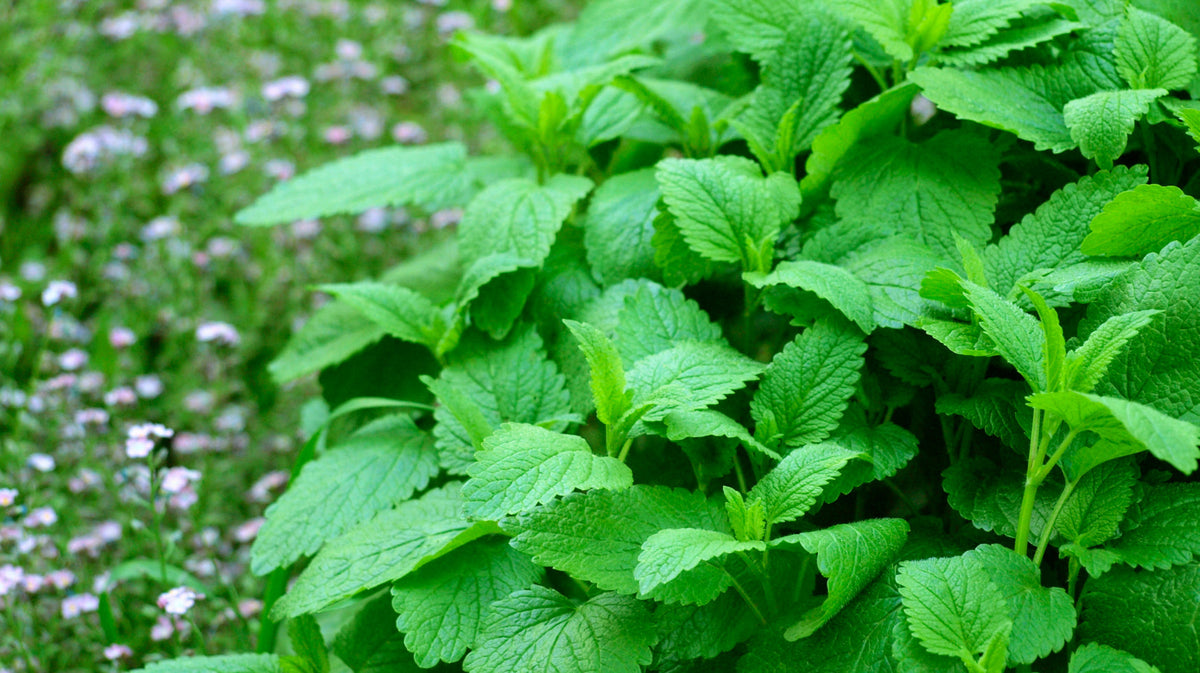
Lemon balm is a perennial herb native to southern Europe, North Africa and western Asia, now grown worldwide in gardens. Its name Melissa comes from the Greek word for honeybee, because bees love its flowers. Medieval herbalists used it to "drive away melancholy", and it remains a common ingredient in European calming teas. The leaves contain rosmarinic acid, caffeic acid, flavonoids and an essential oil rich in citral and citronellal, which give its lemon scent.
What the Research Shows
In a double-blind, placebo-controlled crossover study at Northumbria University, 18 healthy volunteers took single doses of 300 mg or 600 mg of a standardized lemon balm extract, or placebo, on separate days, then completed a 20-minute stressful computer task. The 600 mg dose reduced the negative mood effects of the stressor, with significantly higher self-rated calmness and lower alertness. The 300 mg dose increased the speed of math processing with no loss of accuracy. [1]
This was a small, short study, and more research is needed on regular use for sleep. In Sleep Clean, lemon balm works as one of several gentle calming herbs rather than on its own.
How Lemon Balm May Support the Body*
- Promotes calm and relaxation.*
- Supports a balanced mood during stressful times.*
- Supports restful sleep as part of a bedtime routine.*
Lemon Balm in Zenmen Sleep Clean
| Product | Form | Amount per serving |
|---|---|---|
| Sleep Clean | Lemon balm leaf extract | 150 mg per 2 capsules |
In Sleep Clean, lemon balm works alongside ashwagandha, passionflower, L-theanine, chamomile, valerian root, 5-HTP, magnesium and black pepper extract.
How to Take It
- Take 2 capsules of Sleep Clean with water 30 to 60 minutes before bedtime.
- Lemon balm tea in the evening is a gentle, food-based way to enjoy it too.
Safety
- Generally well tolerated: possible side effects include mild stomach upset, dizziness and drowsiness.
- Sedatives and alcohol: lemon balm may add to the effects of sleep aids, sedatives and alcohol.
- Thyroid: lemon balm may affect thyroid hormone activity; ask your doctor if you have a thyroid condition or take thyroid medication.
- Driving: take Sleep Clean only at bedtime, as lemon balm lowered alertness in the study above. [1]
- Pregnancy and breastfeeding: not enough safety data for supplements, so avoid unless your clinician approves.
FAQ
Does lemon balm help with stress?
In a small study, a single 600 mg dose increased calmness during a stressful task. [1]
Is lemon balm good for sleep?
It is a traditional calming herb often combined with valerian and chamomile for sleep, but more research on regular use is needed.
Is lemon balm safe?
It is generally well tolerated; people with thyroid conditions or who take sedatives should check with their doctor first.
Conclusion
Lemon balm is a gentle, traditional calming herb with early human research on stress and mood. Zenmen Sleep Clean includes 150 mg alongside other calming botanicals for bedtime.* Talk with your provider before use if you have a thyroid condition or take sedatives.
References
- Kennedy, D. O., Little, W., & Scholey, A. B. (2004). Attenuation of laboratory-induced stress in humans after acute administration of Melissa officinalis (Lemon Balm). Psychosomatic Medicine, 66(4), 607–613. https://doi.org/10.1097/01.psy.0000132877.72833.71
*These statements have not been evaluated by the Food and Drug Administration. This product is not intended to diagnose, treat, cure or prevent any disease. Consult your healthcare provider before use, especially if you are pregnant, nursing, taking medication or have a medical condition.