

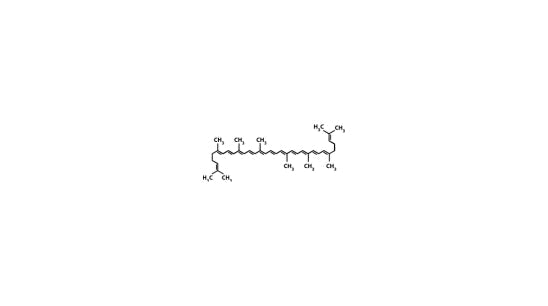
Lycopene: Tomato Carotenoid for Prostate Health, Research, Food Sources and Safety
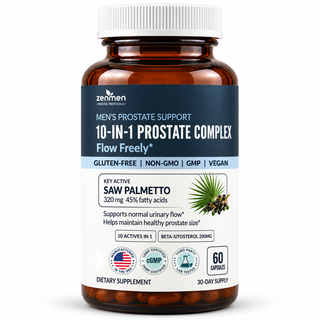
Quick answer: Lycopene is the bright red carotenoid that colors tomatoes, watermelon and pink grapefruit. Unlike beta-carotene, it is not converted into vitamin A; it works mainly as an antioxidant, and it is one of the carotenoids that collect in prostate tissue. In a 6-month pilot trial of 40 older men with an enlarged prostate, 15 mg of lycopene a day was linked to greater improvement in urinary symptom scores than placebo. Lycopene has no reported toxicity, though very high intakes can tint the skin orange. Zenmen 10-in-1 Prostate Support contains 10 mg of lycopene per 2-capsule serving.*
Key takeaways
- Lycopene is a carotenoid that cannot be converted into vitamin A. [1]
- About 80% of lycopene in the US diet comes from tomatoes and tomato products. [1]
- Cooking tomatoes in oil substantially improves lycopene absorption. [1]
- In 40 older men, 15 mg a day for 6 months improved urinary symptom scores more than placebo. [2]
- No toxicity has been reported; very high intakes may cause harmless orange skin discoloration. [1]
What Is Lycopene?
Lycopene belongs to the carotenoid family of plant pigments, alongside beta-carotene and lutein. Its long chain of alternating double bonds makes it one of the most effective carotenoids at neutralizing a reactive form of oxygen, which is why it is studied as an antioxidant. It is not a provitamin A carotenoid, so it provides no vitamin A. [1] After absorption, it is stored in tissues including the liver, adrenal glands, testes and prostate.
Food Sources and Absorption
| Food | Lycopene |
|---|---|
| Tomato paste, 1 cup | 75.5 mg |
| Tomato purée, 1 cup | 54.5 mg |
| Tomato juice, 1 cup | 22.0 mg |
| Watermelon, 1 cup | 6.9 mg |
| Raw tomato, 1 medium | 3.2 mg |
| Pink grapefruit, ½ fruit | 1.8 mg |
Source: Linus Pauling Institute, Oregon State University. [1] Cooking and processing release lycopene from the food, and heating tomatoes in oil substantially improves its absorption. Carotenoids need a little dietary fat to be absorbed, and as little as 3 to 5 g in a meal appears to be enough. Supplements are generally absorbed more efficiently than lycopene from food. [1]
What the Research Shows
Urinary comfort in older men
In a placebo-controlled pilot trial at the University of Hohenheim in Germany, 40 older men with a confirmed enlarged prostate took 15 mg of lycopene or placebo daily for 6 months. Blood lycopene rose in the lycopene group, prostate size stayed stable compared with growth in the placebo group, and urinary symptom scores improved in both groups but significantly more with lycopene. [2] It was a small pilot study, and larger trials are needed to confirm the results.
What is still unknown
Observational studies have linked higher lycopene intake and blood levels with prostate health, but it is unclear whether this reflects lycopene itself, other compounds in tomatoes or other lifestyle factors, and controlled trials of lycopene supplements have so far been small and mixed. The Linus Pauling Institute concludes that large, long-term controlled trials are needed. [1]
How Lycopene May Support the Body*
- Provides antioxidant support for prostate cells.*
- Supports healthy prostate function and comfortable urination.*
- Helps protect cells from everyday oxidative stress.*
Lycopene in Zenmen 10-in-1 Prostate Support
| Product | Source | Amount per serving |
|---|---|---|
| 10-in-1 Prostate Support | Tomato (Solanum lycopersicum) | 10 mg per 2 capsules |
10 mg is about the amount in half a cup of tomato juice, and a little below the 15 mg used in the trial above. In 10-in-1 Prostate Support, lycopene works alongside saw palmetto, beta-sitosterol, pumpkin seed, stinging nettle root, pygeum, quercetin, zinc, selenium and black pepper extract.
How to Take It
- Take 2 capsules of 10-in-1 Prostate Support daily with water and a meal; a little fat helps you absorb lycopene. [1]
- Cooked tomato dishes with olive oil, such as sauces and soups, are an easy way to add more lycopene from food.
Safety
- Very safe: no toxicities have been reported for lycopene. [1]
- Skin color: high intakes from food or supplements can cause lycopenodermia, a harmless deep orange skin tint that fades when intake is reduced. [1]
- Tomato allergy: avoid if you are allergic to tomatoes.
- See a doctor first: new or worsening urinary symptoms, or concerns about prostate health, need a medical check; supplements do not replace screening or prescribed treatment.
FAQ
Is lycopene good for the prostate?
Lycopene concentrates in prostate tissue, and a small 6-month trial found better urinary symptom scores than placebo. [2] Larger trials are needed.
Are cooked tomatoes better than raw for lycopene?
Yes. Cooking, especially with oil, substantially improves how much lycopene you absorb. [1]
Does lycopene turn into vitamin A?
No. Lycopene is a carotenoid, but unlike beta-carotene it cannot be converted into vitamin A. [1]
Conclusion
Lycopene is a safe, food-based antioxidant that collects in the prostate, with early but encouraging research for men's urinary comfort. Zenmen 10-in-1 Prostate Support includes 10 mg per serving alongside saw palmetto and beta-sitosterol.* Eat cooked tomato dishes too, and see your doctor about any urinary symptoms.
References
- Linus Pauling Institute, Oregon State University. Carotenoids. Micronutrient Information Center. https://lpi.oregonstate.edu/mic/dietary-factors/phytochemicals/carotenoids
- Schwarz, S., Obermüller-Jevic, U. C., Hellmis, E., Koch, W., Jacobi, G., & Biesalski, H. K. (2008). Lycopene inhibits disease progression in patients with benign prostate hyperplasia. Journal of Nutrition, 138(1), 49–53. https://doi.org/10.1093/jn/138.1.49
*These statements have not been evaluated by the Food and Drug Administration. This product is not intended to diagnose, treat, cure or prevent any disease. Consult your healthcare provider before use, especially if you are taking medication or have a medical condition.