Blue Spirulina (Phycocyanin): Antioxidant Pigment, Research and Safety
Quick answer: Blue spirulina is an extract of phycocyanin, the bright blue pigment-protein from spirulina (Arthrospira platensis). Phycocyanin makes up as much as 20% of spirulina's dry weight and is thought to be responsible for much of its antioxidant activity. It is widely used as a natural blue food color. In a 2-week placebo-controlled study, about 1 g of phycocyanin a day did not affect blood clotting or platelet markers. Human research on its health effects is still early. Zenmen Blue + Green Spirulina Powder includes 1,000 mg of blue spirulina extract per scoop.*
Key takeaways
- Phycocyanin accounts for up to 20% of spirulina's dry weight and is proposed as its main active ingredient. [1]
- In a placebo-controlled study, about 1 g of phycocyanin a day for 2 weeks did not affect clotting or platelet activation markers. [2]
- The same study found lower liver enzyme AST and less self-reported chronic pain, but it was small and short. [2]
- The study's authors were affiliated with a phycocyanin company. [2]
- As with all spirulina products, choose tested sources free of microcystins and heavy metals. [3]
What Is Blue Spirulina?
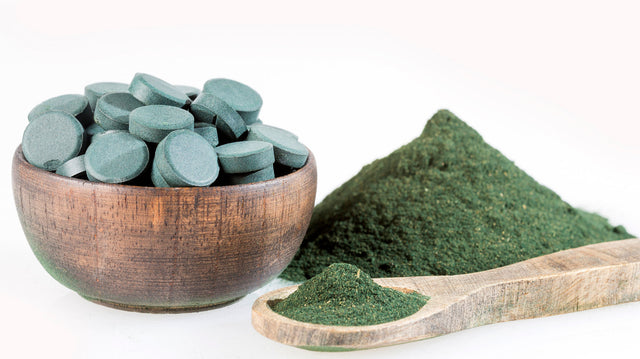
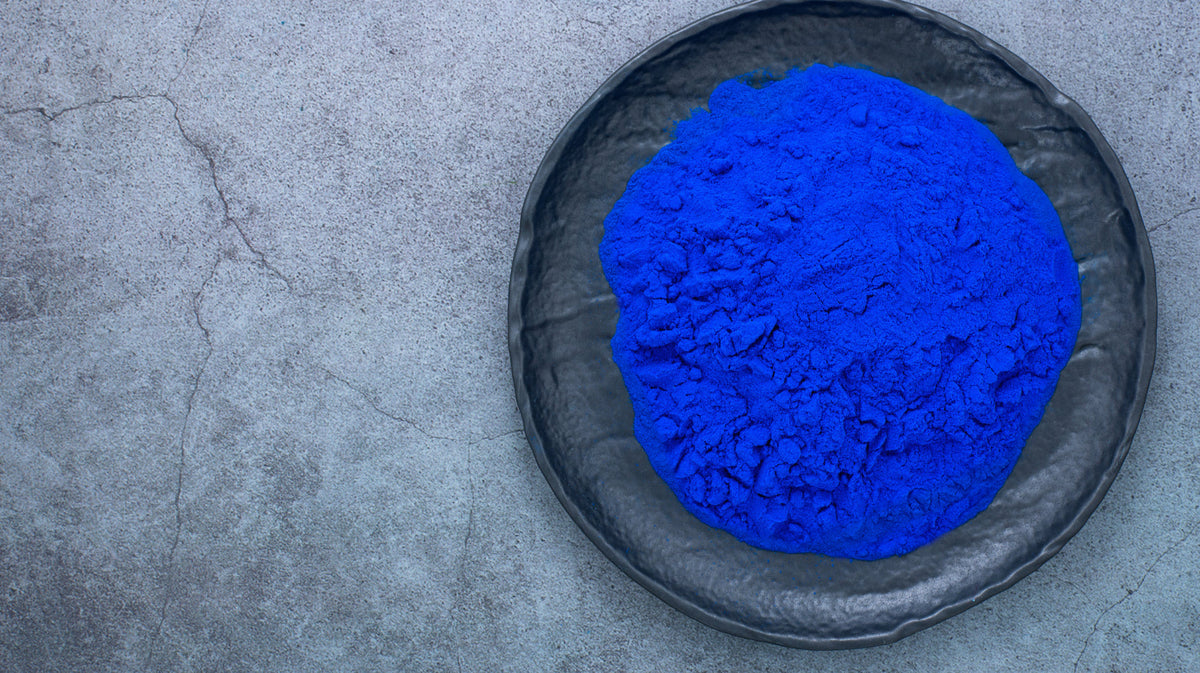
Spirulina's blue-green color comes from two pigments: green chlorophyll and blue phycocyanin. Phycocyanin is a pigment-protein complex that helps the organism capture light, and it accounts for up to 20% of spirulina's dry weight. It has been proposed as the active ingredient behind spirulina's medicinal properties. [1] Blue spirulina is made by extracting phycocyanin from spirulina with water, leaving behind most of the chlorophyll and the "pond" taste. It is popular as a natural blue color in smoothie bowls, lattes and candies.
What the Research Shows
In a randomized, double-blind, placebo-controlled study, 24 adults took 2.3 g a day of a phycocyanin-enriched spirulina extract (about 1 g of phycocyanin) or placebo for 2 weeks. The extract had no effect on markers of blood clotting or platelet activation, the main safety question at high doses. The liver enzyme AST fell significantly compared with placebo, and participants reported less chronic pain at rest and during activity. [2] The authors were affiliated with NIS Labs and Cerule LLC, a phycocyanin supplier, and the study was very small and short, so larger independent trials are needed. [2]
Much of the other research on phycocyanin's antioxidant and anti-inflammatory activity comes from laboratory and animal studies.
How Blue Spirulina May Support the Body*
- Provides powerful antioxidant support.*
- Helps maintain a healthy inflammatory response.*
- Supports cellular health and overall wellness.*
Blue Spirulina in Zenmen Blue + Green Spirulina Powder
| Product | Ingredient | Amount per scoop |
|---|---|---|
| Blue + Green Spirulina Powder | Blue spirulina extract (phycocyanin) | 1,000 mg |
In Blue + Green Spirulina Powder, blue spirulina is combined with 3,000 mg of organic Hawaiian spirulina. See our spirulina guide for more on whole spirulina.
How to Take It
- Mix one scoop of Blue + Green Spirulina Powder into water, a smoothie or your favorite drink.
- Blue spirulina's color fades with heat, so add it to cool or room-temperature drinks.
Safety
- Clotting: about 1 g of phycocyanin a day for 2 weeks did not affect clotting or platelet markers. [2] Still, ask your doctor if you take blood thinners.
- Sourcing: spirulina products can be contaminated with microcystins and heavy metals, so buy from a trusted brand. [3]
- PKU and autoimmune conditions: people with these conditions should check with their doctor before using spirulina products.
- Pregnancy and breastfeeding: ask your clinician before use.
FAQ
What is blue spirulina?
It is phycocyanin, the blue pigment-protein extracted from spirulina, which makes up as much as 20% of spirulina's dry weight. [1]
Is blue spirulina better than green spirulina?
Blue spirulina concentrates phycocyanin and has a milder taste, while green spirulina provides the whole food, including protein, chlorophyll and minerals. Zenmen's powder combines both.
Is blue spirulina safe?
A small placebo-controlled study found about 1 g of phycocyanin a day did not affect clotting markers. [2]
Conclusion
Blue spirulina is the concentrated blue antioxidant pigment of spirulina, with early human safety data and promising lab research. Zenmen Blue + Green Spirulina Powder includes 1,000 mg alongside organic spirulina.* Talk with your provider before use if you take blood thinners or have an autoimmune condition.
References
- LiverTox: Clinical and Research Information on Drug-Induced Liver Injury. Spirulina. National Institute of Diabetes and Digestive and Kidney Diseases. https://www.ncbi.nlm.nih.gov/books/NBK548312/
- Jensen, G. S., Drapeau, C., Lenninger, M., & Benson, K. F. (2016). Clinical Safety of a High Dose of Phycocyanin-Enriched Aqueous Extract from Arthrospira (Spirulina) platensis: Results from a Randomized, Double-Blind, Placebo-Controlled Study with a Focus on Anticoagulant Activity and Platelet Activation. Journal of Medicinal Food, 19(7), 645–653. https://doi.org/10.1089/jmf.2015.0143
- Mount Sinai Health Library. Spirulina. https://www.mountsinai.org/health-library/supplement/spirulina
*These statements have not been evaluated by the Food and Drug Administration. This product is not intended to diagnose, treat, cure or prevent any disease. Consult your healthcare provider before use, especially if you are pregnant, nursing, taking medication or have a medical condition.