




Chamomile (Matricaria recutita): Relaxation and Sleep Research, and Safety
Quick answer: German chamomile (Matricaria recutita) is a daisy-like flower that has been used as a gentle calming herb since ancient Egypt, Greece and Rome, and is still one of the world's most popular bedtime teas. Preliminary studies suggest a chamomile supplement may help with anxiety, and a trial in sleep-disturbed new mothers found that two weeks of chamomile tea improved sleep-related symptoms. The NIH notes that overall evidence for sleep is very limited. Chamomile is likely safe in food amounts, but people allergic to ragweed or daisies, and those taking blood thinners, should be careful. Zenmen uses chamomile extract in Blue Vervain Complex (200 mg) and Sleep Clean (75 mg).*
Key takeaways
- Chamomile was an important medicinal herb in ancient China, Egypt, Greece and Rome. [1]
- Preliminary studies suggest a chamomile supplement might help with anxiety. [1]
- In 80 sleep-disturbed new mothers, two weeks of chamomile tea improved physical symptoms of poor sleep and depression scores compared with usual care. [2]
- The NIH describes the evidence for insomnia as very limited. [1]
- Avoid chamomile if you are allergic to ragweed, chrysanthemums, marigolds or daisies, and check with your doctor if you take warfarin. [1]
What Is Chamomile?
Two plants are sold as chamomile: German chamomile (Matricaria recutita, also called Matricaria chamomilla) and Roman chamomile (Chamaemelum nobile). German chamomile is the one most used in teas and supplements, and the one Zenmen uses. Today it is promoted for sleep, anxiety, indigestion and skin and mouth comfort. [1] Its flower heads contain flavonoids, especially apigenin, and an essential oil rich in bisabolol and chamazulene, which gives the distilled oil its blue color. Apigenin is thought to act gently on the same brain receptors (GABA-A) that calming medicines target, which may explain chamomile's relaxing reputation.
What the Research Shows
Sleep
In a randomized trial in Taiwan, 80 new mothers with poor sleep quality either drank chamomile tea daily for two weeks or received usual postnatal care. The chamomile group had significantly lower scores for physical symptoms linked to poor sleep and for depression. [2] The control group did not receive a placebo tea, which limits what the study can show. The NIH's National Center for Complementary and Integrative Health notes that evidence on chamomile for insomnia is very limited, and that a 2019 review found one insomnia study, which showed no benefit. [1]
Calm and anxiety
Preliminary studies suggest that a chamomile supplement might help people with generalized anxiety and associated low mood. [1] Larger and longer studies are needed.
The bigger picture
Overall, the NIH says studies have not yet produced enough reliable evidence to rate chamomile's usefulness for specific conditions. [1] That is why Zenmen uses it as a gentle, supporting botanical in calming formulas rather than as a stand-alone answer.
How Chamomile May Support the Body*
- Promotes relaxation and a calm mood.*
- Helps maintain healthy sleep quality.*
- Supports nervous system wellness.*
- Supports digestive comfort.*
Chamomile in Zenmen Products
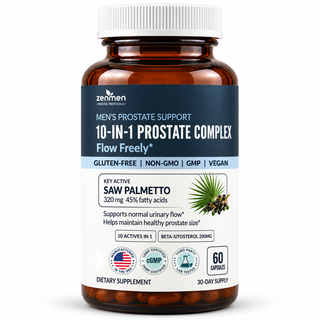
| Product | Purpose | Amount per serving |
|---|---|---|
| Blue Vervain Complex | Daytime calm and digestive ease | 200 mg extract |
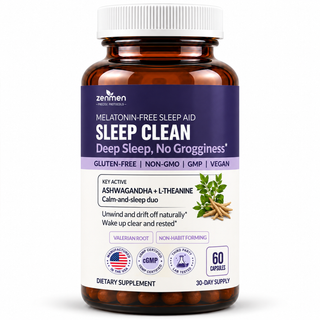
| Sleep Clean | Bedtime relaxation | 75 mg extract per 2 capsules |
In Blue Vervain Complex, chamomile works with blue vervain, L-theanine and magnesium in a non-drowsy formula for the gut-brain connection. In Sleep Clean, it joins ashwagandha, lemon balm, passionflower, L-theanine, valerian root, 5-HTP and magnesium.
How to Take It
- Blue Vervain Complex: follow the serving on the label, during the day.
- Sleep Clean: 2 capsules with water 30 to 60 minutes before bedtime.
- A cup of caffeine-free chamomile tea in the evening is an easy food-based way to enjoy chamomile too.
Safety
- Generally safe: chamomile is likely safe in food amounts such as tea, and possibly safe for short-term use as a supplement. Side effects are uncommon and may include nausea and dizziness. [1]
- Allergies: allergic reactions, including rare severe ones, are possible, especially if you are allergic to ragweed, chrysanthemums, marigolds or daisies. [1]
- Medications: interactions have been reported with warfarin and some drugs processed by the liver, and chamomile may add to the effects of sedatives. [1]
- Hormonal effects: chamomile may have mild estrogen-like effects; ask your doctor if you take birth control pills or have an estrogen-sensitive condition. [1]
- Pregnancy and breastfeeding: little is known about safety, so use only with your clinician's approval. [1]
- Other ingredients: Sleep Clean also contains 5-HTP and valerian; consult your provider first if you take antidepressants.
FAQ
Does chamomile help you sleep?
Chamomile is a traditional bedtime herb, and a trial in new mothers found improved sleep-related symptoms, but the NIH describes the overall evidence for insomnia as very limited. [1]
What is the difference between German and Roman chamomile?
They are different plants in the daisy family. German chamomile (Matricaria recutita) is the one most used in teas and supplements.
Who should not take chamomile?
People allergic to ragweed, chrysanthemums, marigolds or daisies, and anyone taking warfarin or sedatives without medical advice. [1]
Conclusion
Chamomile is a gentle, time-honored calming herb with promising but limited research for sleep and anxiety. Zenmen includes chamomile extract in Blue Vervain Complex for daytime calm and Sleep Clean for bedtime relaxation.* Check with your provider before use if you have plant allergies or take blood thinners or sedatives.
References
- National Center for Complementary and Integrative Health. Chamomile. Last updated November 2024. https://www.nccih.nih.gov/health/chamomile
- Chang, S.-M., & Chen, C.-H. (2016). Effects of an intervention with drinking chamomile tea on sleep quality and depression in sleep disturbed postnatal women: a randomized controlled trial. Journal of Advanced Nursing, 72(2), 306–315. https://doi.org/10.1111/jan.12836
*These statements have not been evaluated by the Food and Drug Administration. This product is not intended to diagnose, treat, cure or prevent any disease. Consult your healthcare provider before use, especially if you are pregnant, nursing, taking medication or have a medical condition.