Ashwagandha (Withania somnifera): Stress and Sleep Research, Dosage and Safety
Quick answer: Ashwagandha (Withania somnifera), also called Indian ginseng, is an evergreen shrub whose root has a long history in Ayurvedic medicine as an adaptogen, an herb thought to help the body cope with stress. According to the NIH, some ashwagandha preparations may help with stress and insomnia, though many trials are small and use different extracts, and evidence for anxiety is unclear. Short-term use for up to 3 months may be safe; rare cases of liver injury have been reported, and people who are pregnant or have thyroid or autoimmune conditions should avoid it. Zenmen Sleep Clean contains 150 mg of ashwagandha root extract (at least 5% withanolides) per 2-capsule serving.*
Key takeaways
- Some ashwagandha preparations may help with stress and insomnia; many trials are small and use different preparations. [1]
- Evidence for anxiety is unclear. [1]
- In a 60-day trial of 240 mg a day, stressed adults had lower anxiety scores and morning cortisol than with placebo. [2]
- Short-term use up to 3 months may be safe; long-term safety is not established. [1]
- Liver injury has been linked to ashwagandha supplements, though rarely. [1]
What Is Ashwagandha?
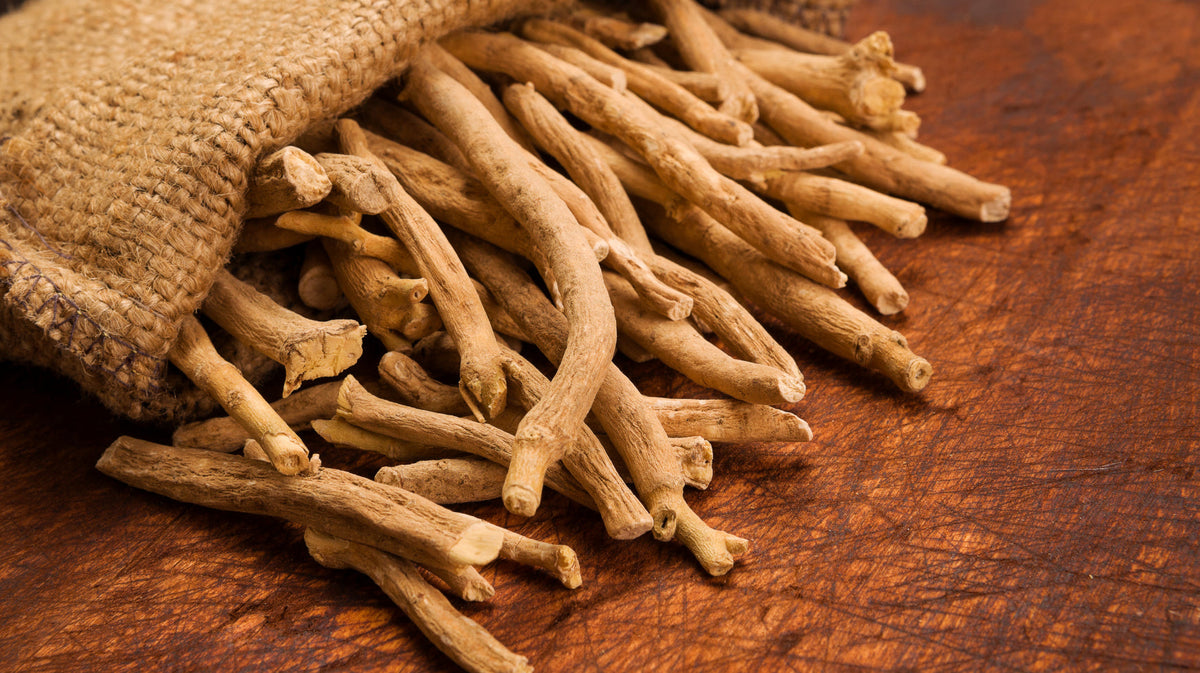
Ashwagandha is an evergreen shrub native to India, Africa and the Middle East, and it has been used in Ayurvedic medicine for centuries. Today it is marketed for stress, anxiety, sleep, male fertility and athletic performance. [1] Its name in Sanskrit refers to the smell of a horse, after the root's earthy odor, and its key compounds are steroidal lactones called withanolides. Extracts are usually standardized to a withanolide percentage, as in Sleep Clean (at least 5%).
What the Research Shows
Stress and sleep
The NIH's National Center for Complementary and Integrative Health says some ashwagandha preparations may help with stress and insomnia, but many trials are small and use different preparations, and evidence for anxiety is unclear. [1]
In a 60-day randomized, double-blind trial, 60 healthy adults with high self-reported stress took 240 mg of a standardized ashwagandha extract or placebo daily. The ashwagandha group had a greater drop in anxiety scores on the Hamilton Anxiety Rating Scale and in morning cortisol, a stress hormone; the drop on a second stress questionnaire did not quite reach significance. All participants completed the study and no adverse events were reported. [2]
Other uses
Limited evidence suggests that 2 to 4 months of use may raise testosterone and improve sperm quality, while evidence is insufficient for athletic performance, cognition, blood sugar and other uses. [1]
How Ashwagandha May Support the Body*
- Helps the body adapt to everyday stress.*
- Supports healthy cortisol levels already within the normal range.*
- Supports relaxation and restful sleep.*
Ashwagandha in Zenmen Sleep Clean
| Product | Form | Amount per serving |
|---|---|---|
| Sleep Clean | Root extract, at least 5% withanolides | 150 mg per 2 capsules |
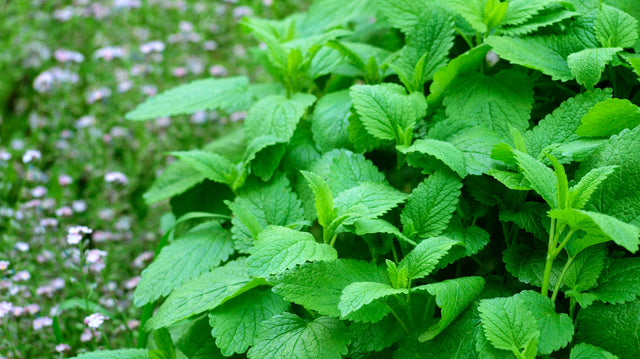
150 mg is a little below the 240 mg used in the trial above. In Sleep Clean, ashwagandha works alongside lemon balm, passionflower, L-theanine, chamomile, valerian root, 5-HTP, magnesium and black pepper extract.
How to Take It
- Take 2 capsules of Sleep Clean with water 30 to 60 minutes before bedtime.
- Use for up to 3 months, then review with your provider; long-term safety is not established. [1]
Safety
- Side effects: drowsiness, stomach upset, diarrhea and vomiting are possible. [1]
- Liver: rare cases of liver injury have been linked to ashwagandha supplements; stop and see a doctor if you notice yellow skin or eyes or dark urine. [1]
- Who should avoid it: people who are pregnant or breastfeeding, people with autoimmune or thyroid disorders, anyone about to have surgery, and people with hormone-sensitive prostate cancer. [1]
- Medications: ashwagandha may interact with medicines for diabetes, high blood pressure and thyroid conditions, as well as immunosuppressants, sedatives and anticonvulsants. [1]
- Other ingredients: Sleep Clean also contains 5-HTP; consult your provider first if you take antidepressants.
FAQ
Does ashwagandha help with stress?
Some preparations may help with stress and insomnia, according to the NIH, though trials are small. [1]
Is ashwagandha safe?
Short-term use up to 3 months may be safe, but rare liver injury has been reported, and some people should avoid it. [1]
Should I take ashwagandha at night?
It can cause drowsiness, which is why Sleep Clean is taken 30 to 60 minutes before bed. [1]
Conclusion
Ashwagandha is a well-known Ayurvedic adaptogen with encouraging, if small, trials for stress and sleep. Zenmen Sleep Clean includes 150 mg alongside other calming botanicals.* Avoid it if you are pregnant or have a thyroid or autoimmune condition, and talk with your provider if you take medication.
References
- National Center for Complementary and Integrative Health. Ashwagandha. Last updated March 2023. https://www.nccih.nih.gov/health/ashwagandha
- Lopresti, A. L., Smith, S. J., Malvi, H., & Kodgule, R. (2019). An investigation into the stress-relieving and pharmacological actions of an ashwagandha (Withania somnifera) extract: A randomized, double-blind, placebo-controlled study. Medicine, 98(37), e17186. https://doi.org/10.1097/MD.0000000000017186
*These statements have not been evaluated by the Food and Drug Administration. This product is not intended to diagnose, treat, cure or prevent any disease. Consult your healthcare provider before use, especially if you are pregnant, nursing, taking medication or have a medical condition.