Black Pepper Extract (BioPerine®, 95% Piperine): How It Supports Absorption, the Evidence and Drug Interactions
Quick answer: Piperine is the alkaloid that gives black pepper (Piper nigrum) its bite. Supplements add small amounts, usually 5 mg of an extract standardized to 95% piperine (often the branded BioPerine®), because piperine can increase how much of other compounds reaches the bloodstream. It does this mainly by inhibiting the drug transporter P-glycoprotein and the liver and gut enzyme CYP3A4. The best-known human study found piperine raised curcumin bioavailability about 2,000%, but results with other compounds are mixed. Because piperine affects drug-processing pathways, it can also raise levels of some medications. Zenmen includes black pepper extract in eight formulas.*
Key takeaways
- Piperine inhibits both P-glycoprotein and CYP3A4 in lab models. [1]
- In humans, 20 mg piperine with 2 g curcumin increased curcumin bioavailability by about 2,000%. [2]
- 5 mg piperine with CoQ10 raised blood CoQ10 by about 30% after 21 days, but not over shorter periods. [3]
- In two human trials, piperine did not significantly raise blood resveratrol levels. [4] [5]
- 20 mg piperine daily raised blood levels of the drug fexofenadine in healthy volunteers. [6]
What Is Black Pepper Extract?
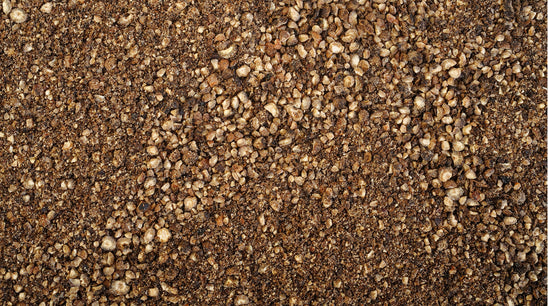
Black pepper is the dried unripe fruit of Piper nigrum, a vine native to southern India, used in Ayurveda for digestion for thousands of years. Piperine makes up roughly 5–10% of black pepper. Extracts standardized to 95% piperine deliver a small, consistent dose. BioPerine® is a patented extract developed by Sami-Sabinsa. A 2007 review describes black pepper's wide range of physiological effects, including on digestion. [7]
How Piperine Affects Absorption
Many plant compounds are broken down by enzymes in the gut wall and liver, or pumped back into the gut by transporters, before they reach circulation. A 2002 study using human intestinal cells and liver microsomes found piperine inhibits both P-glycoprotein and CYP3A4, suggesting dietary piperine could alter blood levels of compounds handled by these pathways. [1] A 2018 review notes piperine can either inhibit or stimulate metabolic enzymes and transporters depending on conditions, and that its clinical significance depends on dose, frequency and duration. [8]
What the Human Research Shows
- Curcumin: in a 1998 study, 20 mg piperine taken with 2 g curcumin increased curcumin bioavailability by about 2,000%. [2] Several authors were from the company that developed BioPerine®.
- CoQ10: in a double-blind study, 5 mg piperine had no significant effect on CoQ10 after a single dose or 14 days, but after 21 days with 120 mg CoQ10, blood levels were about 30% higher than with placebo. [3]
- Resveratrol: a crossover trial in 23 adults found 250 mg resveratrol plus 20 mg piperine increased brain blood flow during tasks, but plasma resveratrol did not differ significantly. [4] A 2021 dose-ranging trial found 5 or 25 mg piperine did not significantly change resveratrol levels overall. [5] In mice, however, piperine raised peak resveratrol levels more than 15-fold. [9]
In short, piperine's effect is real for some compounds and modest or absent for others. Its benefit in a multi-ingredient formula rests on its general mechanism rather than proof for every ingredient.
How Black Pepper Extract May Support the Body*
- Supports absorption and bioavailability of the botanicals and nutrients it is paired with.*
- Helps the body make use of key phytonutrients.*
Black Pepper Extract in Zenmen Products
| Product | Amount per serving |
|---|---|
| Tick Immune Support | 5 mg (95% piperine) |
| Gut Sweep | 5 mg (95% piperine) |
| Monolaurin 1,000 mg | 5 mg BioPerine® |
| 10-in-1 Prostate Support | 5 mg BioPerine® |
| Immune 365 | 5 mg BioPerine® |
| Resvera Plus | 5 mg BioPerine® |
| Hair Growth & Root Defense | 5 mg BioPerine® |
| Sleep Clean | 2.5 mg BioPerine® |
These are small amounts, below the 20 mg used in the curcumin and fexofenadine studies. Taking several of these formulas together adds up, which matters mainly for people on medications.
Safety and Drug Interactions
- Black pepper in food is safe for nearly everyone, and 2.5–5 mg of piperine is a small supplemental amount.
- Medications: in 12 healthy volunteers, 20 mg piperine daily for 10 days raised peak fexofenadine levels from about 407 to 767 ng/mL by inhibiting P-glycoprotein. [6] Drugs handled by P-glycoprotein or CYP3A4, such as digoxin, cyclosporine, some statins, blood thinners, anticonvulsants and certain heart medicines, may be affected. [1] Check with your pharmacist.
- Reflux: piperine may aggravate heartburn in sensitive people.
- Pregnancy and breastfeeding: food amounts are fine; check with a clinician before supplements.
FAQ
What is BioPerine®?
A patented black pepper extract standardized to 95% piperine.
Does piperine really improve absorption?
For some compounds, such as curcumin, strongly; for others, such as resveratrol in human trials, not significantly. [2] [5]
Does piperine interact with medications?
Yes. It inhibits P-glycoprotein and CYP3A4 and has raised drug levels in human studies. [6] Review your medications with your provider.
Conclusion
Black pepper extract is a small, well-studied addition that can help the body use certain compounds, though its effect varies. Zenmen includes 2.5–5 mg in eight formulas, from Tick Immune Support to Sleep Clean.* If you take prescription medication, check with your pharmacist first.
References
- Bhardwaj, R. K., et al. (2002). Piperine, a major constituent of black pepper, inhibits human P-glycoprotein and CYP3A4. Journal of Pharmacology and Experimental Therapeutics. https://pubmed.ncbi.nlm.nih.gov/12130727/
- Shoba, G., et al. (1998). Influence of piperine on the pharmacokinetics of curcumin in animals and human volunteers. Planta Medica, 64(4), 353–356. https://pubmed.ncbi.nlm.nih.gov/9619120/
- Badmaev, V., et al. (2000). Piperine derived from black pepper increases the plasma levels of coenzyme Q10 following oral supplementation. Journal of Nutritional Biochemistry. https://pubmed.ncbi.nlm.nih.gov/10715596/
- Wightman, E. L., et al. (2014). Effects of resveratrol alone or in combination with piperine on cerebral blood flow parameters and cognitive performance in human subjects. British Journal of Nutrition. https://pubmed.ncbi.nlm.nih.gov/24804871/
- Bailey, H. H., et al. (2021). A randomized, double-blind, dose-ranging, pilot trial of piperine with resveratrol on the effects on serum levels of resveratrol. European Journal of Cancer Prevention. https://pubmed.ncbi.nlm.nih.gov/32868637/
- Bedada, S. K., et al. (2017). The influence of piperine on the pharmacokinetics of fexofenadine, a P-glycoprotein substrate, in healthy volunteers. European Journal of Clinical Pharmacology. https://pubmed.ncbi.nlm.nih.gov/27981349/
- Srinivasan, K. (2007). Black pepper and its pungent principle-piperine: a review of diverse physiological effects. Critical Reviews in Food Science and Nutrition, 47(8), 735–748. https://pubmed.ncbi.nlm.nih.gov/17987447/
- Lee, S. H., et al. (2018). Piperine-mediated drug interactions and formulation strategy for piperine: recent advances and future perspectives. Expert Opinion on Drug Metabolism & Toxicology. https://pubmed.ncbi.nlm.nih.gov/29250980/
- Johnson, J. J., et al. (2011). Enhancing the bioavailability of resveratrol by combining it with piperine. Molecular Nutrition & Food Research, 55(8), 1169–1176. https://pubmed.ncbi.nlm.nih.gov/21714124/
*These statements have not been evaluated by the Food and Drug Administration. This product is not intended to diagnose, treat, cure or prevent any disease. Consult your healthcare provider before use, especially if you are pregnant, nursing, taking medication or have a medical condition.