

Pomegranate Peel Extract (Punica granatum) for Gut Health: Research and Safety
Quick answer: Pomegranate (Punica granatum) peel is usually thrown away, but it is one of the richest plant sources of polyphenols, especially ellagitannins such as punicalagin. Reviews describe the peel as a rich source of antioxidants, polyphenols, dietary fiber and vitamins, with anti-inflammatory and antioxidant activity in laboratory research. Traditional medicine systems in the Middle East and South Asia have long used the peel for digestive complaints. Human trials of peel extract are limited. Zenmen Gut Sweep contains 150 mg of pomegranate peel extract per serving for antioxidant protection and gastrointestinal wellness.*
Key takeaways
- Punicalagin is the main tannin in pomegranate peel, at 16.67–245.47 mg per gram of dried peel. [1]
- The peel is rich in antioxidants, polyphenols, dietary fiber and vitamins. [2]
- Its main bioactive compounds are gallic acid, ellagic acid and punicalagin. [2]
- Most evidence comes from laboratory and animal research; human trials of the peel are limited.
- Food amounts of pomegranate are safe; use concentrated peel extracts only as directed.
What Is Pomegranate Peel?
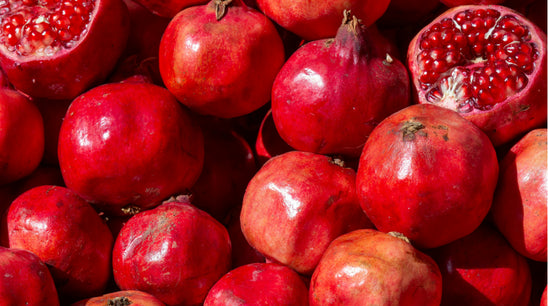
Pomegranate is a fruit-bearing shrub native to Iran and the Himalayas, cultivated across the Mediterranean, the Middle East and South Asia. The thick, leathery peel accounts for a large share of the fruit's weight. In Ayurveda and Unani medicine, dried peel has traditionally been used for digestive upset and loose stools, partly because of its astringent tannins.
Key Compounds
The peel contains far more polyphenols than the juice or seeds. A 2022 review in Frontiers in Nutrition identifies punicalagin, an ellagitannin, as the main tannin and the signature compound of pomegranate peel, present at 16.67–245.47 mg per gram of dried peel depending on variety and processing. [1] The peel also contains punicalin, ellagic acid, gallic acid and flavonoids. In the gut, ellagitannins are converted by bacteria into urolithins, compounds being studied for their own health effects.
What the Research Shows
A 2023 review in ACS Omega describes pomegranate peel, long treated as agricultural waste, as a rich reservoir of antioxidants, polyphenols, dietary fiber and vitamins. It reports that studies have shown anti-inflammatory, cardioprotective, wound-healing and antioxidant properties linked to gallic acid, ellagic acid and punicalagin. [2] The 2022 Frontiers in Nutrition review notes that many lab and animal studies show antioxidant and anti-inflammatory activity. [1] Most of this work was done in the lab, so it shows what the compounds can do rather than proven effects from a capsule.
How Pomegranate Peel May Support the Body*
- Polyphenol-rich peel extract that provides antioxidant protection.*
- Supports a balanced intestinal environment.*
- Supports gastrointestinal wellness.*
In Zenmen Gut Sweep
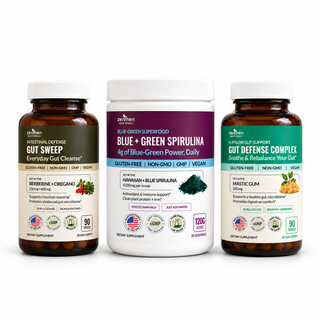
Zenmen Gut Sweep Daily Gut Cleanse Supplement provides 150 mg of pomegranate peel extract per 3-capsule serving, together with oregano leaf extract 400 mg, garlic 300 mg, monolaurin 300 mg, berberine HCl 250 mg, caprylic acid 250 mg, Ceylon clove 200 mg, an enzyme blend 100 mg, sweet wormwood 50 mg and black pepper extract 5 mg. The formula is vegan, gluten-free, non-GMO and GMP-made in the USA.
How to Take It
Take 3 capsules daily with a meal and a full glass of water.
Safety
- Pomegranate fruit and juice are safe for most people in food amounts.
- Peel extracts: use only as directed; very large amounts of peel or root bark can be harmful.
- Medications: pomegranate may affect how the liver processes some drugs; check with your doctor or pharmacist.
- Allergy: rare allergic reactions have been reported.
- Pregnancy and breastfeeding: check with a clinician before using concentrated extracts.
FAQ
Why use the peel instead of the fruit?
The peel contains a much higher concentration of polyphenols such as punicalagin. [1]
What is punicalagin?
Punicalagin is the main ellagitannin in pomegranate peel, a large polyphenol with antioxidant activity.
Has pomegranate peel been tested in people?
Human trials of peel extract are limited; most current evidence comes from lab and animal studies.
Conclusion
Pomegranate peel turns a discarded part of the fruit into a concentrated polyphenol source. In Zenmen Gut Sweep, 150 mg of peel extract adds antioxidant protection to the formula's botanicals and fatty acids.* Talk with your provider if you take medication.
References
- Pomegranate Peel as a Source of Bioactive Compounds: A Mini Review on Their Physiological Functions. (2022). Frontiers in Nutrition, 9, 887113. https://doi.org/10.3389/fnut.2022.887113
- Pomegranate Peel Phytochemistry, Pharmacological Properties, Methods of Extraction, and Its Application: A Comprehensive Review. (2023). ACS Omega, 8(39), 35452–35469. https://pubmed.ncbi.nlm.nih.gov/37810640/
*These statements have not been evaluated by the Food and Drug Administration. This product is not intended to diagnose, treat, cure or prevent any disease. Consult your healthcare provider before use, especially if you are pregnant, nursing, taking medication or have a medical condition.


